# Detected Damages

{% file src="/files/War5G7NzAmxTt8rUO3qM" %}

### Detected Damages by PAVE

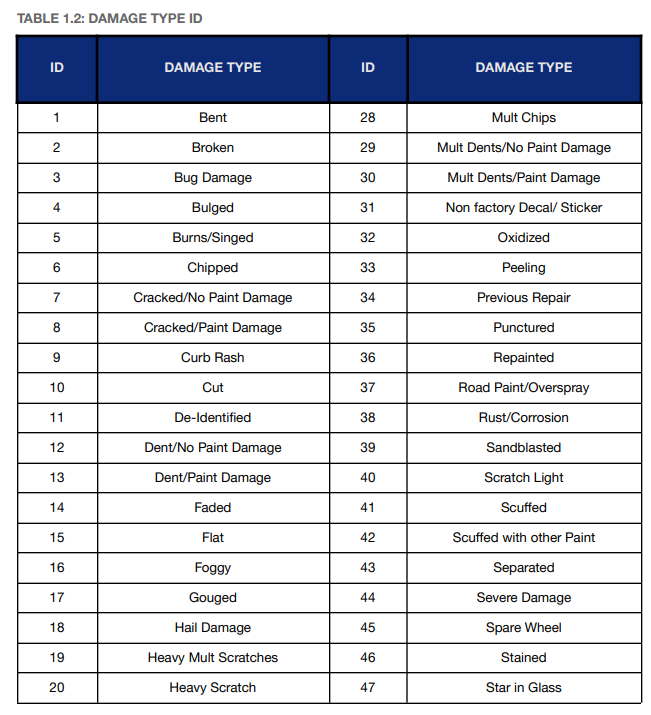
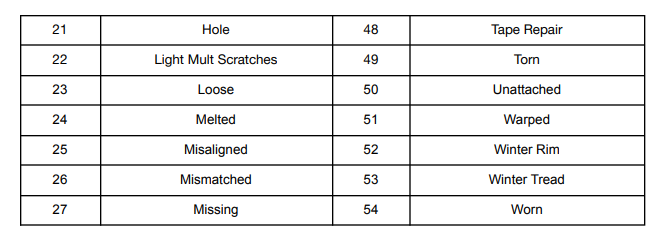
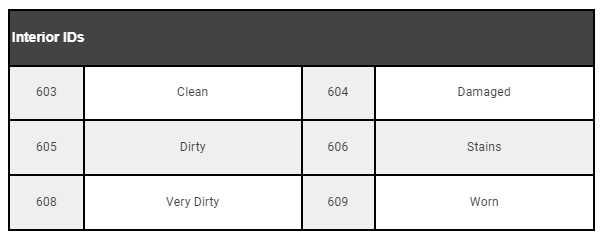
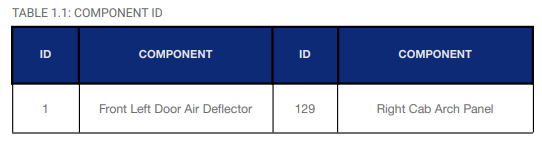
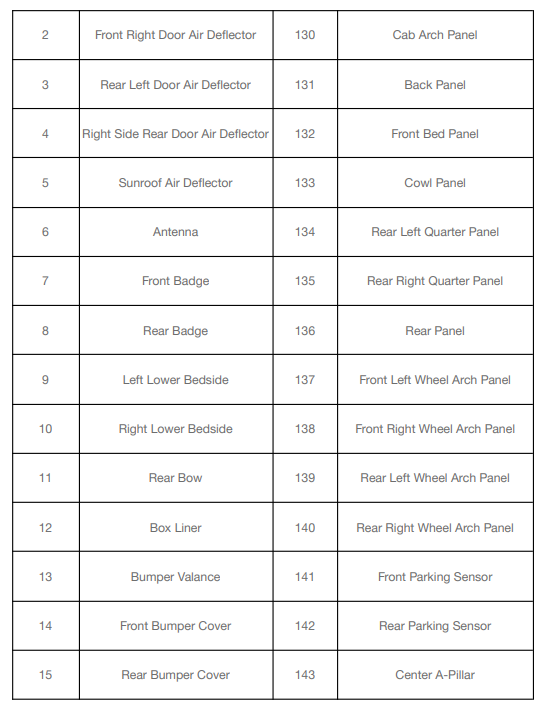
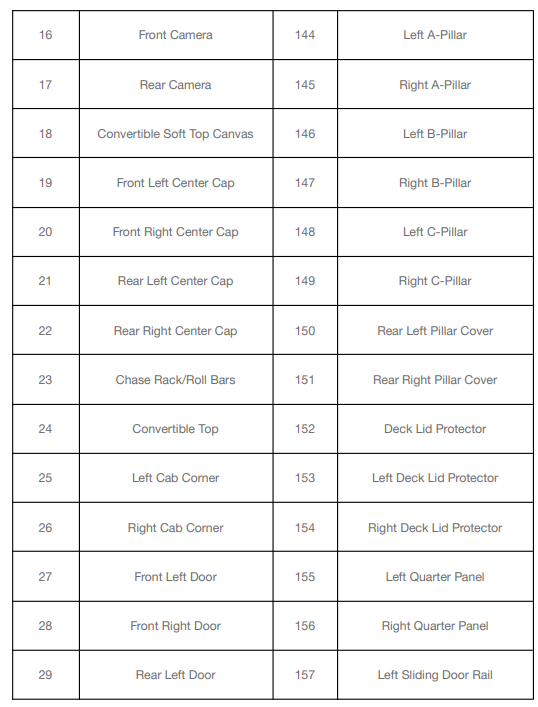
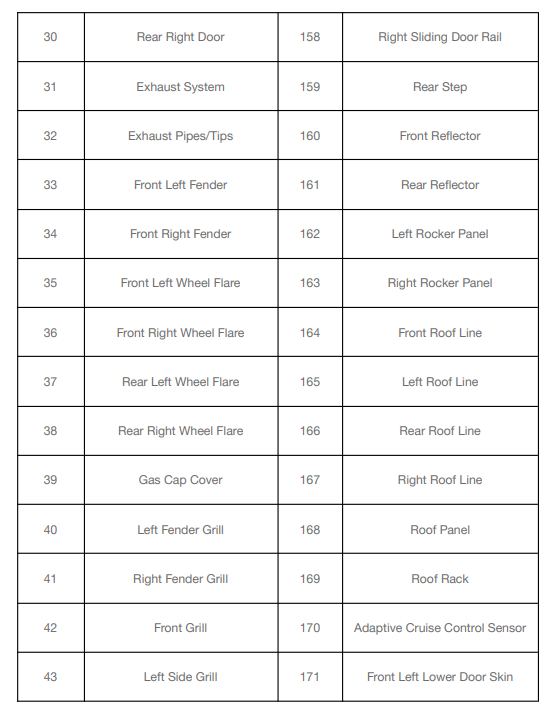
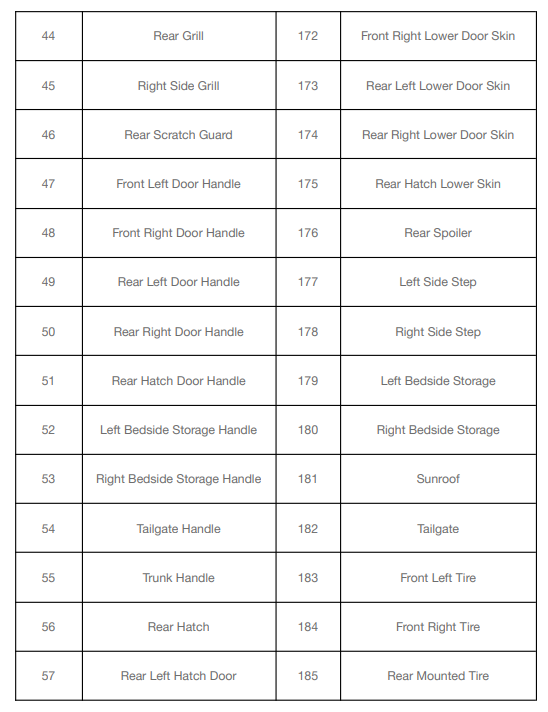
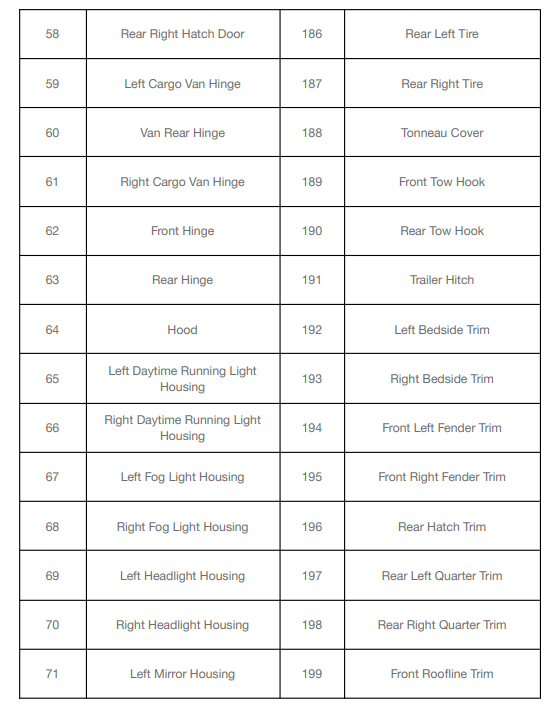
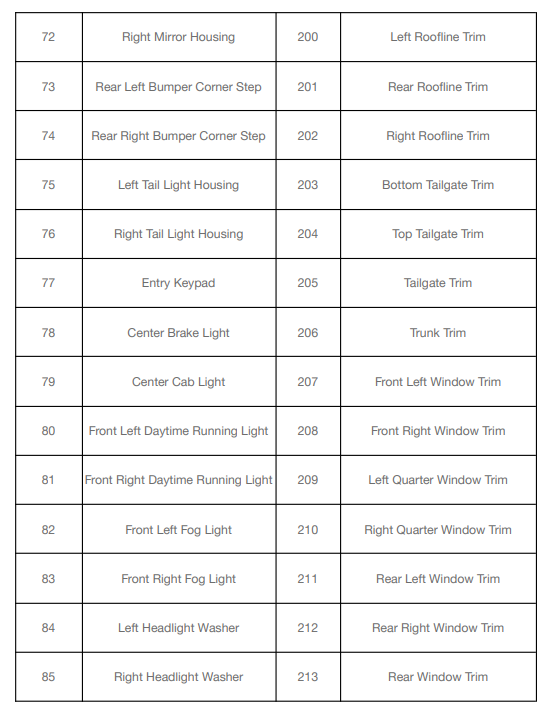
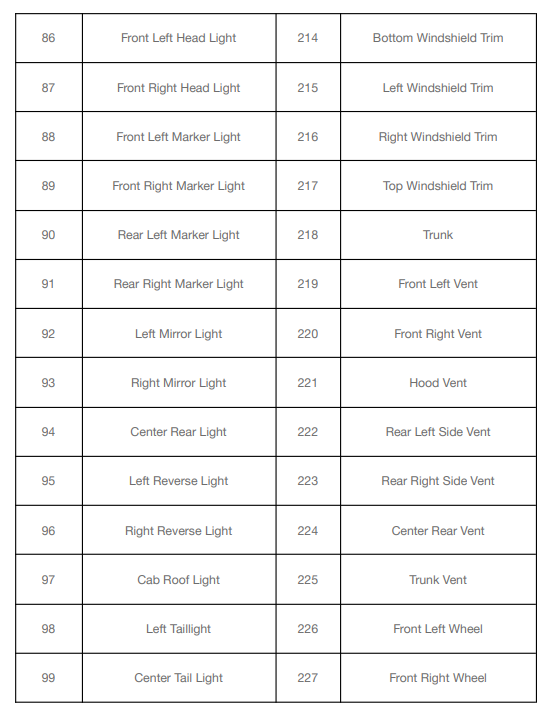
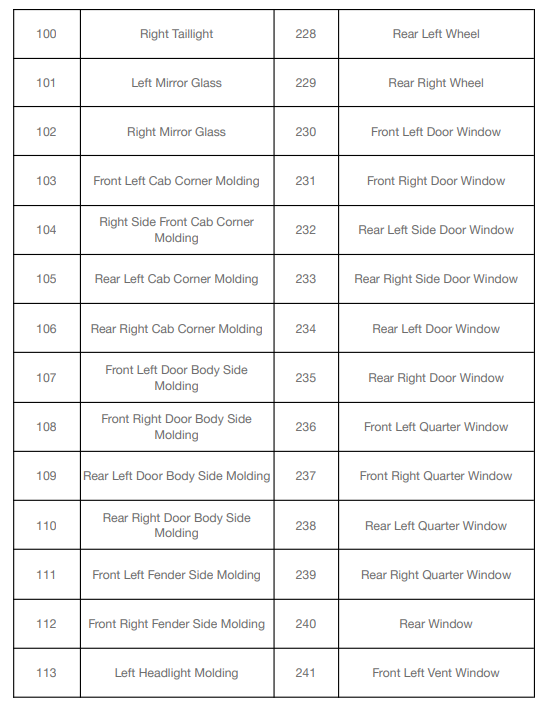
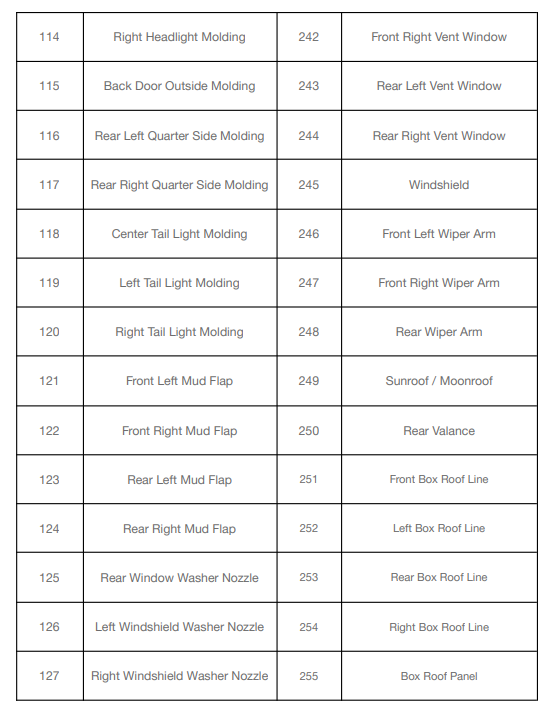
PAVE's inspection engine analyzes images to detect 350 specific damages of different degrees of severity that cover most cosmetic damages on 249 components that make up the anatomy of over 23,000 light commercial and passenger vehicle models sold over the past 15 years in North America that PAVE’s models were developed from.

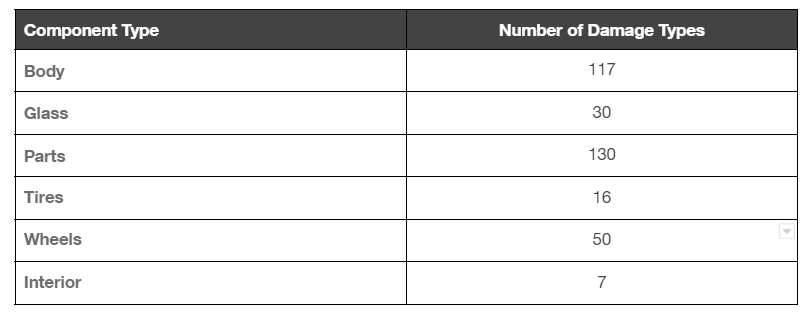
These damages are mainly concentrated on the exterior and wheels and tires.&#x20;

<figure><img src="/files/laOnZEi947ahQmb2a2XP" alt=""><figcaption><p><strong>NUMBER OF DAMAGES PER COMPONENT TYPE</strong></p></figcaption></figure>

<figure><img src="/files/6SZZUA2Gq6bLLZeg4EOu" alt=""><figcaption></figcaption></figure>

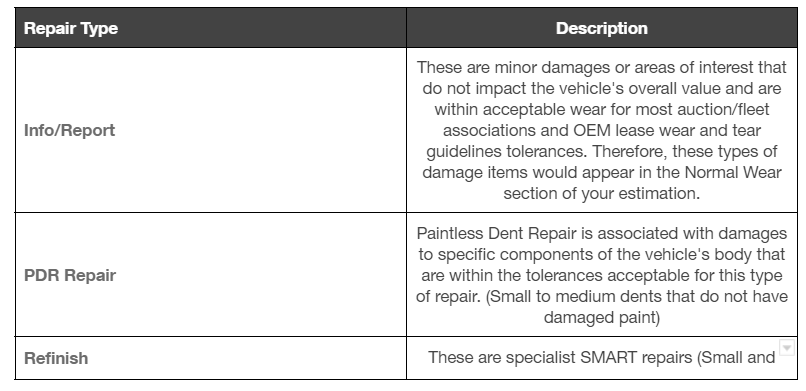
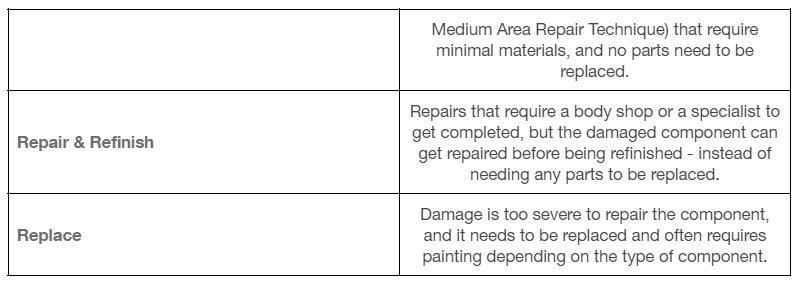
<figure><img src="/files/26kRNs9SQsn28Tl3R2Jc" alt=""><figcaption><p><strong>PAVE REPAIR TYPES</strong></p></figcaption></figure>

<figure><img src="/files/bVeXdYpazPXRO5ph3nqH" alt=""><figcaption></figcaption></figure>

<figure><img src="/files/jaCQY3kpmZuSBLCGZk8j" alt=""><figcaption></figcaption></figure>

<figure><img src="/files/JRLoBfLxd208yXRslqRW" alt=""><figcaption></figcaption></figure>

<figure><img src="/files/7743TQM18noWxcLGJhaS" alt=""><figcaption></figcaption></figure>

<figure><img src="/files/8psJUyYuM4XQRzevloPV" alt=""><figcaption></figcaption></figure>

<figure><img src="/files/XMjUnT7yEJteXw1QphFA" alt=""><figcaption></figcaption></figure>

<figure><img src="/files/5erFAIBjolT9xHiNWZvd" alt=""><figcaption></figcaption></figure>

<figure><img src="/files/HWT2aaMNLkw1o6iT2cws" alt=""><figcaption></figcaption></figure>

<figure><img src="/files/0xz7FgtlssPeS9egm80i" alt=""><figcaption></figcaption></figure>

<figure><img src="/files/hx7CryLuSWOiZzCal1EL" alt=""><figcaption></figcaption></figure>

<figure><img src="/files/d1nG5VuoAVUpOzTibfbu" alt=""><figcaption></figcaption></figure>

<figure><img src="/files/HdgKJwVd5FHmKsQnB0rn" alt=""><figcaption></figcaption></figure>

<figure><img src="/files/N0ISVAqAgqwOZ2JHxri6" alt=""><figcaption></figcaption></figure>

<figure><img src="/files/4iZv1WRoaccHFva73nNr" alt=""><figcaption></figcaption></figure>

<figure><img src="/files/GRXEqUZzCwMdnWlvn1jx" alt=""><figcaption></figcaption></figure>

<figure><img src="/files/3G8xGDWULh62VYXIwsva" alt=""><figcaption></figcaption></figure>

PAVE has no known limitations on its ability for detecting damages from 2D images on any vehicle type, body style or color. However, other environmental factors that can impact PAVE's results are:

Captures of vehicles in the dark or at night. \
Captures of cars or trucks during significant rain or snowfall. \
Captures of images when standing in direct sunlight.
---

# Agent Instructions: Querying This Documentation

If you need additional information that is not directly available in this page, you can query the documentation dynamically by asking a question.

Perform an HTTP GET request on the current page URL with the `ask` query parameter:

```
GET https://docs.paveapi.com/how-pave-works/detected-damages.md?ask=<question>
```

The question should be specific, self-contained, and written in natural language.
The response will contain a direct answer to the question and relevant excerpts and sources from the documentation.

Use this mechanism when the answer is not explicitly present in the current page, you need clarification or additional context, or you want to retrieve related documentation sections.